In a year without a novel like James owning headlines and bestseller lists, the field has been wide open for end-of-year lists. At the top of Amazon’s newly revealed Best Books of 2025 list is Patrick Ryan’s Buckeye, which was also the September selection for both Read With Jenna and Barnes & Noble’s book club. Other highlights among Amazon’s top 20 include Wild Dark Shore by Charlotte McConaghy, which was Amazon’s #1 pick in the mid-year checkin, The Loneliness of Sonia and Sunny by Kiran Desai, Cursed Daughters by Oyinkan Braithwaite, Baldwin: A Love Story by Nicholas Boggs, and King of Ashes by S.A. Cosby. Both of this summer’s blockbusters, Atmosphere by Taylor Jenkins Reid and Katabasis by R.F. Kuang also made the top 20. See the full list and Amazon editors’ selections in nonfiction, mystery/thriller, and many more genres.
This year’s Barnes & Noble’s book of the year had been popping up a little even before it was one of the retailer’s finalists. And Mona’s Eyes by Thomas Schlesser feels a little like a throwback. It’s a novel about a a girl who is losing her vision and her grandfather’s quest to show her works of art, one a week for a year, across Paris’ museums. The cover is a close-up of a painting that appeared on another crossover breakout, and the theme of sucking the marrow out of life on the precipice of loss is not without precedent among books that have become sensations. And its publisher, Europe Editions, had a global bestseller that had a similar bittersweet, affirming message. Intrusive thought: did attention for this book have anything to do with people getting excited about the Louvre because of this?
Bestselling author David Baldacci is donating $13 million to fund an initiative to promote civil discourse and educate people about “how to be informed members of a democracy.” Citing books as “body armor against bigotry,” Baldacci is partnering with his alma mater Virginia Commonwealth University and the Library of Virginia to plan, among other things, a speaker series and public debates intended to foster “civil, constructive and respectful dialogue about complex issues.” The details are still in the works, but Baldacci’s vision is clear: get people off their phones and into rooms with each other.
“I think when you bring people together physically and the anonymity goes away, that all of a sudden they’re accountable — it’s a totally different dynamic,” he said. “Just bring people back together and have good debates, civilly, peacefully, knowing that everybody deserves respect, regardless of what they think.
May his efforts succeed.
Pull on your black turtleneck, pile your books high, and get ready to get a little culty. We’re taking on The Secret History on today’s new episode of Zero to Well-Read.
]]> Take Back the Classroom is the latest attempt to ban books in schools,
 These were the most read books on Goodreads this week.
 Barnes & Noble revealed its books of the year.
 Amazon editors named their favorite books of the year.
 TIME picked 100 must-read books of 2025.
 Can you solve a crossword puzzle made up of bestselling book titles?
 Voting is open for the 2025 Goodreads Choice Awards
And here’s a bunch of interesting bookish news we didn’t get to.
This content is for members only. Visit the site and log in/register to read.]]>Exclusive content for All Access members continues below.
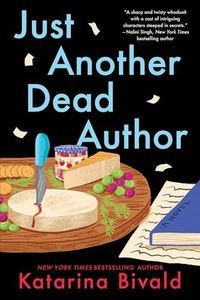
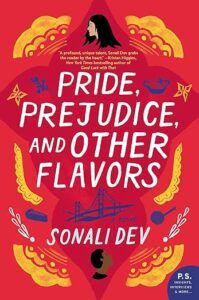
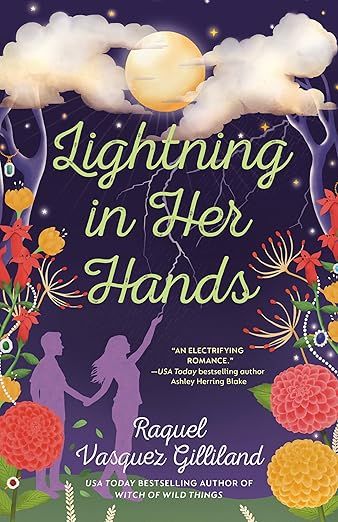
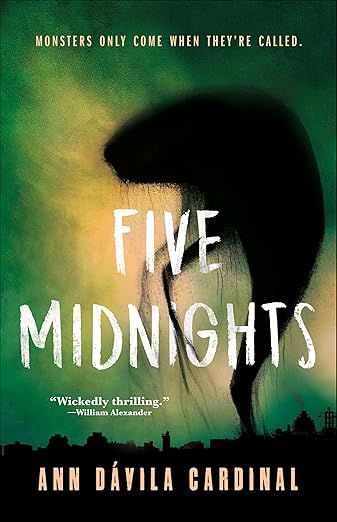
This content is for members only. Visit the site and log in/register to read.]]>There’s nary a clinch nor a bodice to be found on the romance novels from 831 Stories, a publishing startup founded by Claire Mazur and Erica Cerulo. The indie house, which launched with more than $4 million in funding, has released 7 titles with covers that eschew both the traditional tropes of the genre and the contemporary illustrated style in favor of bold colors and clean lines intended to give the brand a uniform look and collectible appeal.
And it’s not just the books’ design that they’re particular about. Cerulo and Mazur prefer that 831’s authors keep physical descriptions of characters to a minimum in order to allow readers to “personalize” the experience, and their editorial guidelines specify that protagonists should be 25 or older and “self-actualized in a way that love doesn’t complete them, but is ‘additive,” and that there should always be sex on the page. With 831 Stories, they’re seeking to give readers a deeper connection to romance and each other through online discussion groups, fan fiction, and other extras intended to help beat the “book hangover.” It’s a smart strategy targeting romance’s largely female readership right as they age into having disposable income. This is one to watch.
Courtney Maum’s Substack, Before and After the Book Deal, is a terrific resource for authors published and aspiring authors and readers who are curious about how the sausage gets made. If you’ve ever wondered how much say authors have over their book covers or what happens if an author really hates the cover their publisher loves, this one is for you.
We here at Book Riot are firmly of the opinion that no adaptation—be it good, bad, or middling—can change the legacy of a beloved classic book, so I’m greeting the new trailer for Emerald Fennell’s Wuthering Heights with curiosity and a not-small appreciation for the trolling. Emily Brönte is going to be fine, and honestly, what did we expect from the filmmaker behind Saltburn? On a second viewing, the most outrageous thing about the trailer is the claim that Wuthering Heights is “the greatest love story of all time.” Whither the Romeo + Juliet stans?
See above re: classic stories survive whether the adaptations are good or bad.
]]>BookLooks reviews did not disappear, though. They were folded into RatedBooks, another such unprofessional review site. RatedBooks is a project helmed by several groups, including Utah Parents United, No Left Turn in Education, the Pavement Education Project, and the standalone Facebook groups of LaVerna in the Library and her state-level sister pages, Mary in the Library.
Among the numerous other similar non-professional book reviews is Take Back the Classroom (TBTC). TBTC was mentioned in this look at such sites in January, but over the course of the last year, TBTC’s profile has grown exponentially. It’s not only grown, though. It’s become a resource that book banners are turning to and pointing to as evidence for their cause.
But why is Take Back The Classroom suddenly showing up everywhere and what exactly is Take Back The Classroom? Here’s your handy primer to the latest “parental rights” website that will be showing up with even more force in the coming months and that will begin to infiltrate school and library board meetings.
What Is Take Back The Classroom?
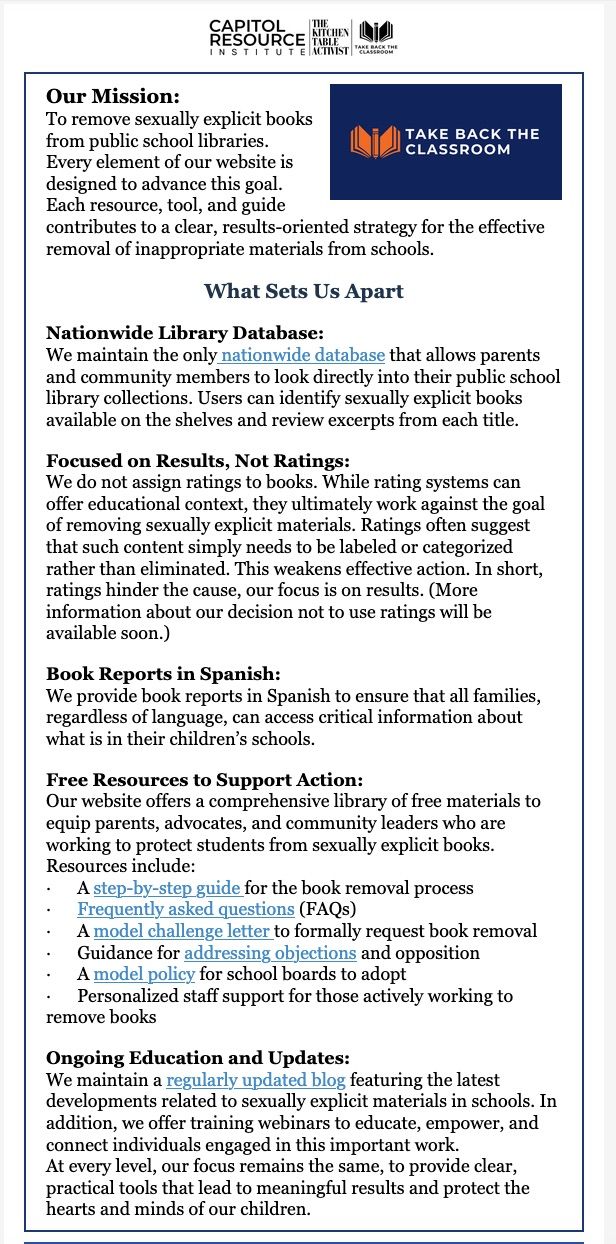
TBTC is the brainchild of Karen England, who calls herself the Kitchen Table Activist. TBTC is a project housed within the Capital Resource Institute, which aims to empower the average person to fight for religious, right-wing political ideas. The Capital Resource Institute “has operated as a public policy organization supporting states nationwide, focusing on parental rights, religious freedom, education, marriage, and the issue of life.”
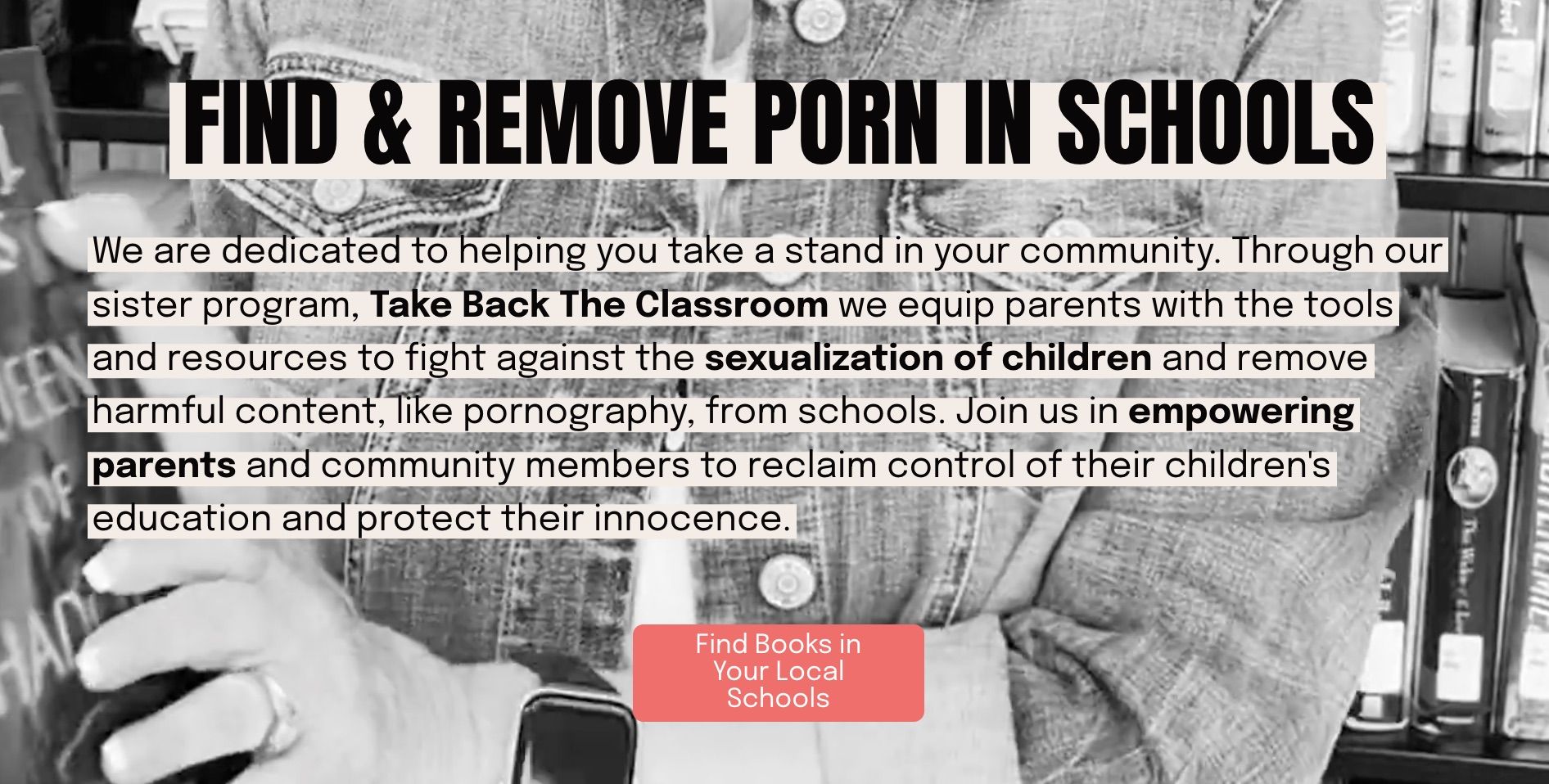 |
The Capital Resource Institute and TBTC have been all-in on groomer rhetoric as it relates to public educators. They created a whole video intended to foment panic, and they’ve created extensive guides to get the “average” citizen engaged in removing so-called “porn” from libraries. Their push related to classrooms and libraries began in earnest in 2023 with the development of TBTC, though Capital Resource Institute has been around for a lot longer.
Take Back The Classroom began by taking photos of the covers of books deemed to be “inappropriate” or “pornographic.” They were indeed the same slate of books already under fire since 2021 by other so-called “parental rights” groups, and like the books targeted in those groups, TBTC created guides for how parents could challenge these books in their schools.
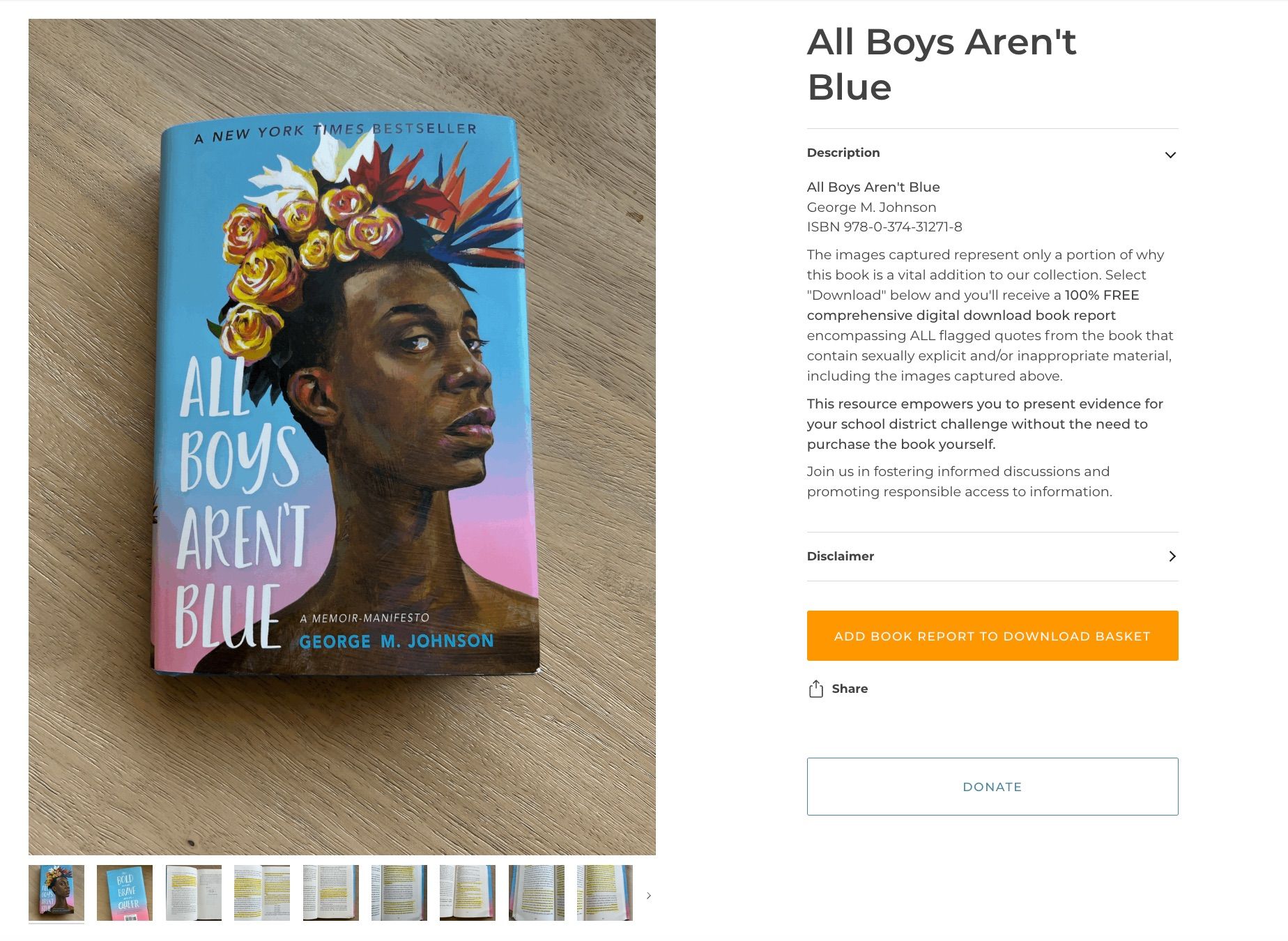
But unlike other sites, TBTC used high-quality images and highlighted the sentences or paragraphs deemed offensive. The physicality of the books being used separated it from the plain documents from other groups, though downloading the plain documents was available for book banners as well. From the start and to this day, England notes that what differentiates Take Back the Classroom from other sites is that it is not interested in assigning ratings to the titles. They’re more interested in providing all of the material necessary to get the average person filing challenging without having to do a lick of their own work.
In education, they call this plagiarism.
 |
While TBTC provided all of the tools for followers to begin their school harassment campaigns over these books, one of the hallmarks of the site that differentiates it from others is that it catalogs the locations of these so-called “inappropriate” or “pornographic” books. Schools which have them on shelf are named. In 2023, the number of states with their school libraries listed was but a handful. Now at the end of 2025, every state is included in the database. That’s one of the reasons why TBTC has suddenly become a bigger force in the book banning world.
By creating an index of schools with these books, local book banners are able to better target the institutions and better able to shame those institutions. They don’t need to locate the books in their school’s library catalogs, which requires a few minutes of work. That’s already been done.
Here’s what this looks like. First: every state is listed with how many inappropriate books are being located and in how many districts in the state.
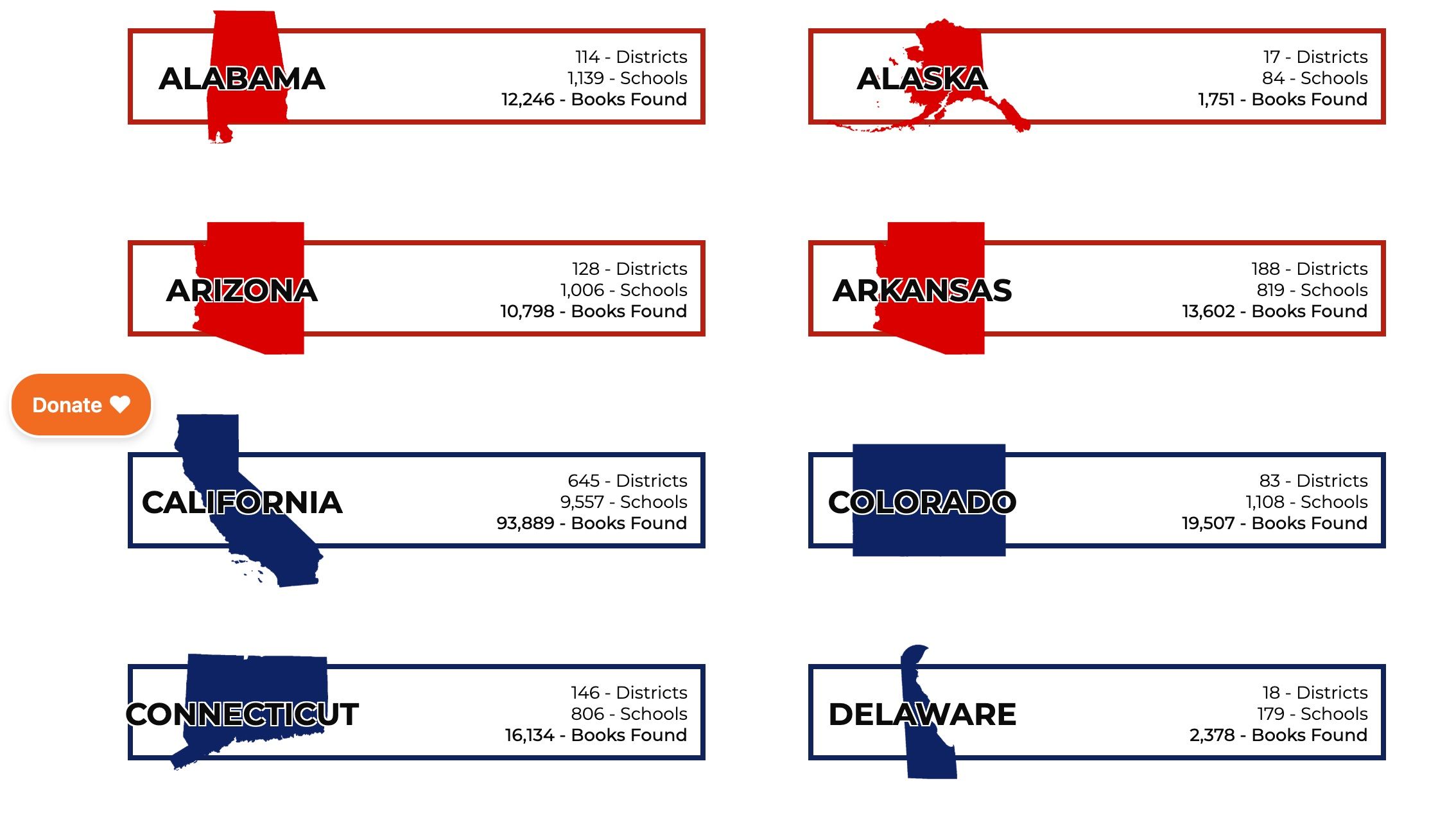 |
It’s not coincidence that “right” leaning states are given red and “left” leaning states are blue here. It’s also not a coincidence that the numbers of books being “found” in districts in those red or blue states are disproportional.
When you click on a state, you then get a school district level look at the presence of the books deemed inappropriate. Here’s Alabama:
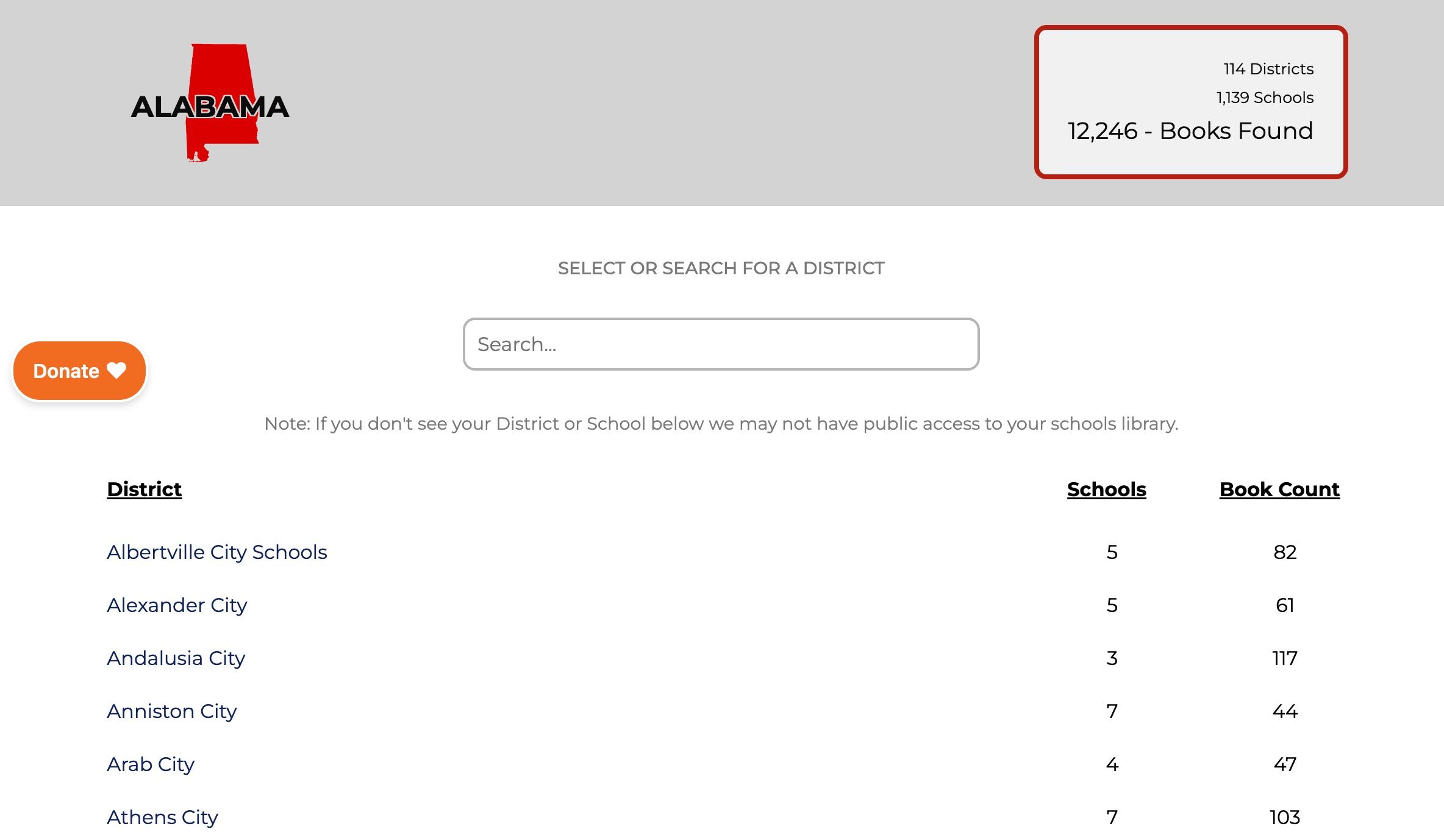 |
Once you click on a district, you’re given options to click on any of the schools within that district. Using Andalusia City Schools as an example and clicking through to the district’s high school then brings up a list of all the books found in the library’s collection that TBTC followers deem inappropriate. Using tags, viewers can then see why said books are inappropriate.
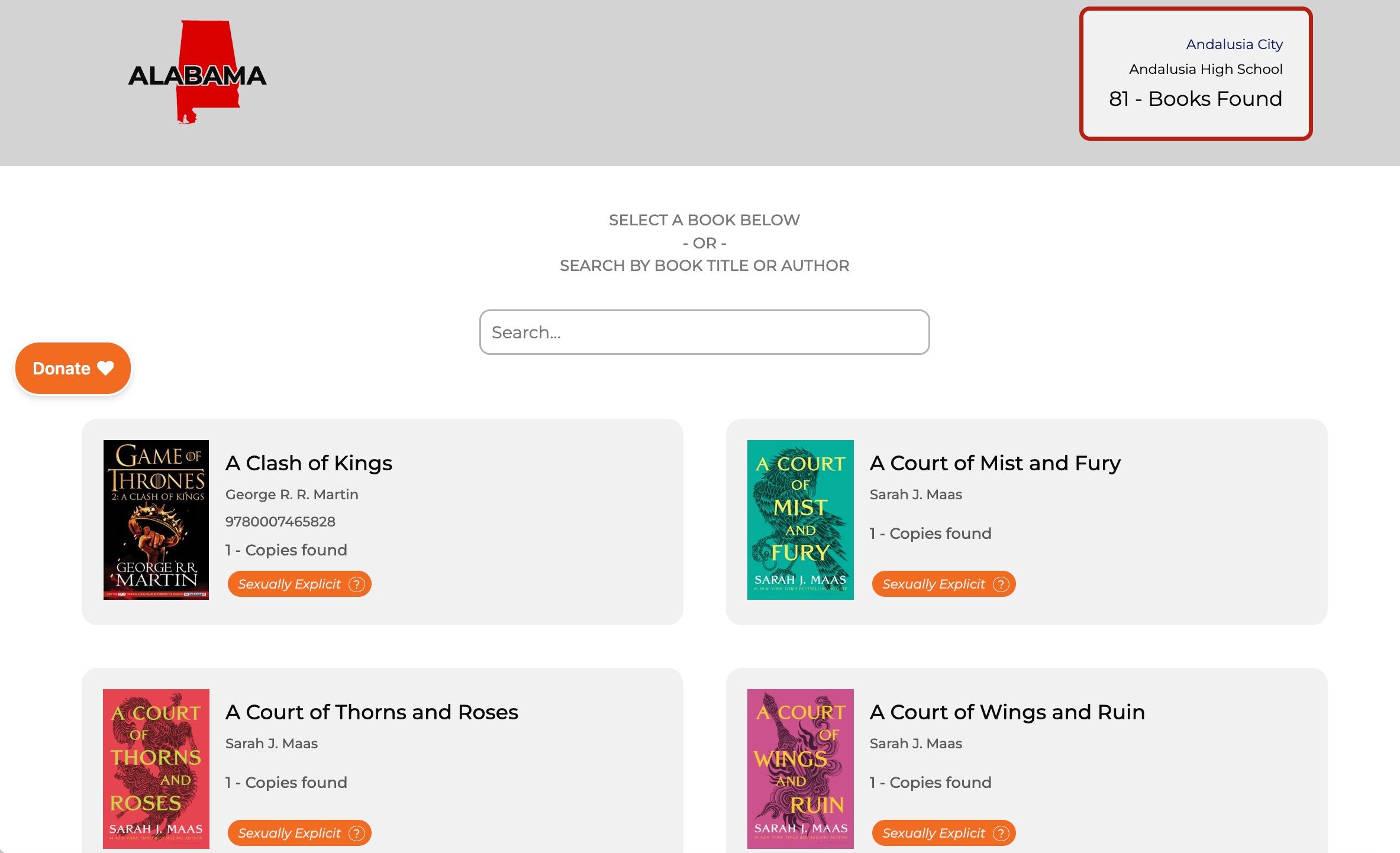 |
It is a quick way to disenfranchise and decontextualize information in order to cherry pick what you want others to worry about. A little orange marker for “sexually explicit” related to books in my school district? It’s far easier to begin the challenge process for site users than sites like BookLooks, as those require a bit more reading for people to begin to swallow down the lies and disinformation. BookLooks and its sister RatedBooks–anticipate seeing this one show up in places like Utah in the coming legislative session as something legitimate*–may include ratings, but those ratings require cross-referencing. Is a book rated 3 one that needs to be challenged or are we only looking at those rated 4 or 5?
Clicking the book cover for the titles “discovered” in these schools brings you to a landing page that looks like this.
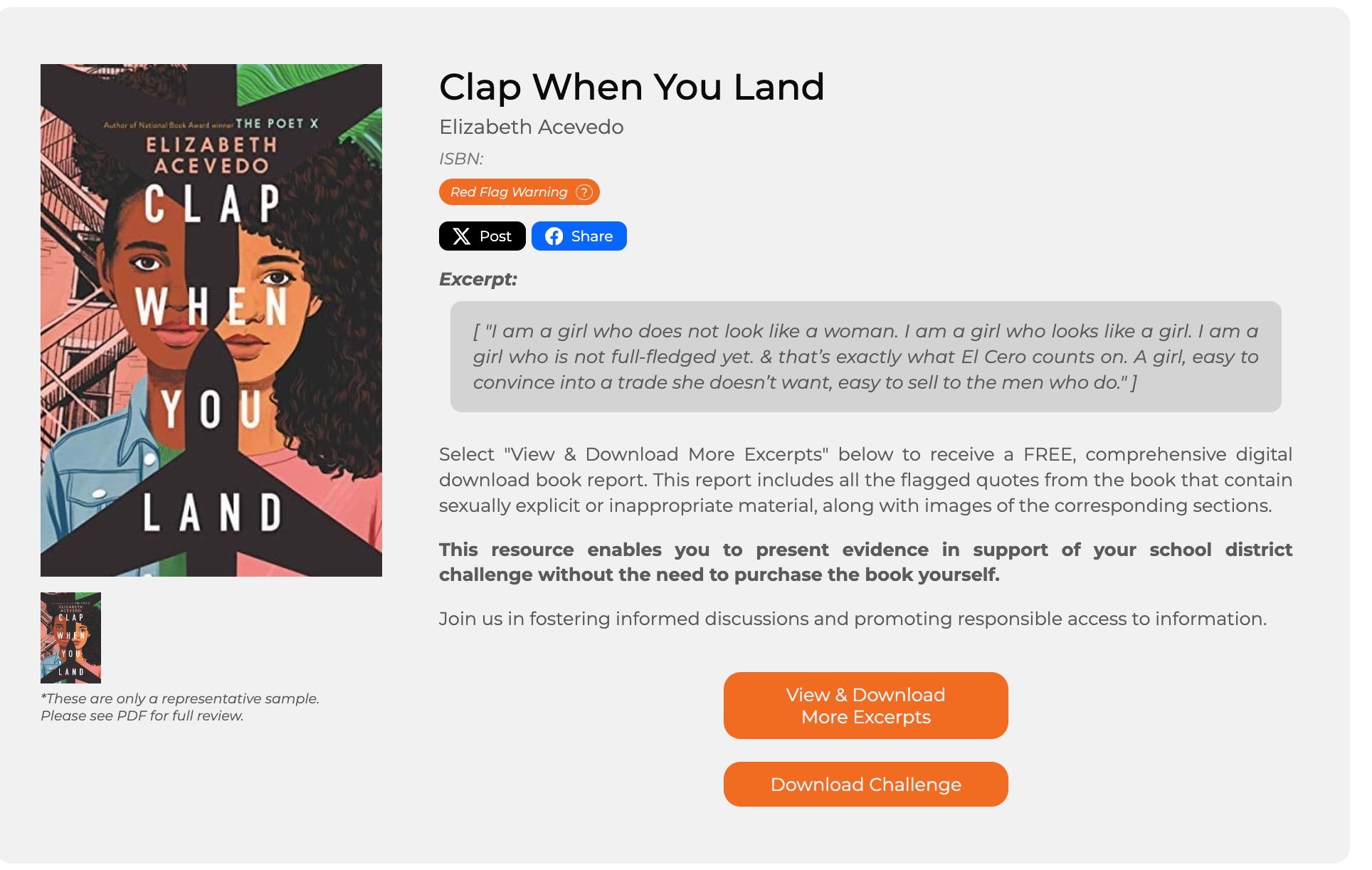 |
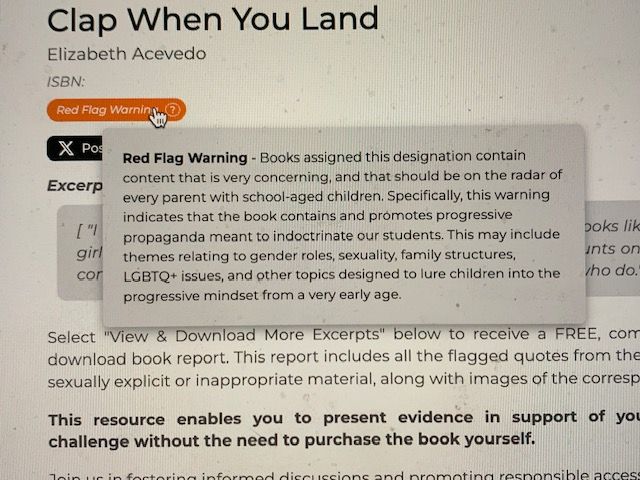 |
All that you have to do to begin the challenge process of this book is download their report–available once you give TBTC your email address for their mailing list that offers even more panic around public institutions–and you’re on your way. The goal is to look for your school, download the reports, and begin the challenge as seamlessly as possible. Take Back The Classroom provides numerous guides to move folks through the challenge process, including talking points for when actual professionals ask tough questions.
What makes TBTC appealing to so many is that it’s mask off. There’s no pretending that there isn’t an agenda when it comes to the books this organization wants to see removed from public institutions. These are books that don’t prop up an imagined ideal of a cishet, white, male, able-bodied, Christian.
You can browse the full list of books titles that Take Back The Classroom is currently working off and you can browse the full list of states and associated school districts currently indexed by volunteers. If you work in the public school or library world and/or are invested in fighting against book bans, you’ll want to bookmark the links to keep tabs on. This site will not be closing down any time soon.
 |
Why Take Back The Classroom Is Growing Right Now
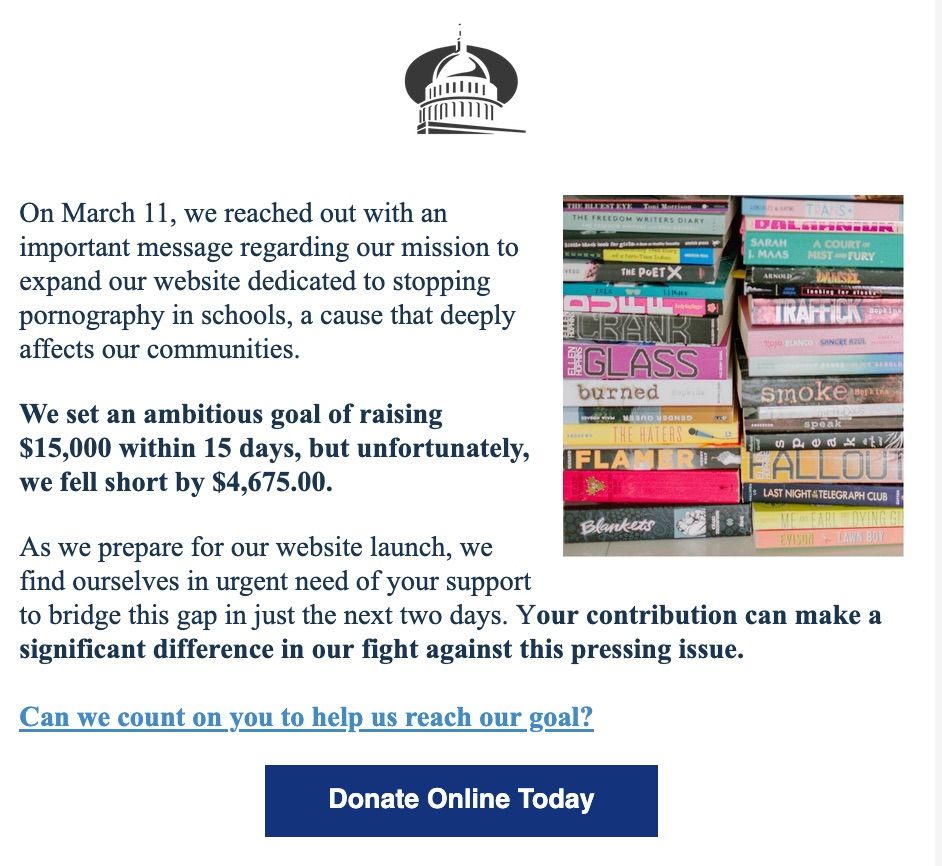
Take Back The Classroom has spent 2025 fundraising. It began in March, with an ask of followers to donate $15,000. They didn’t quite make the goal by their deadline, though they still reportedly pulled in over $10,000. This money would be spent entirely on revamping their website and making it bigger and better.
 |
That wasn’t their only fundraising ask, though. TBTC began a second, more significant campaign in October. The language around this one focused on how the organization ended its fiscal year $32,000 in the hole, despite all of the supposed requests for average people begging for TBTC to expand their resources. It is possible there is a funding gap, though information about that cannot be confirmed because the Capitol Resource Institute’s most recent 990 tax filing is for the 2022 tax year.
As of writing, the project has yet to announce whether or not they’ve fulfilled the goal, but nine days prior to the end of the funding campaign, they were only a few thousand dollars short. That said, their fundraising page shows that they’ve raised nearly $75,000 in tax-deductible donations, with a goal of $150,000. That is a flood of money to keep this site not only operational but to also fuel further growth.
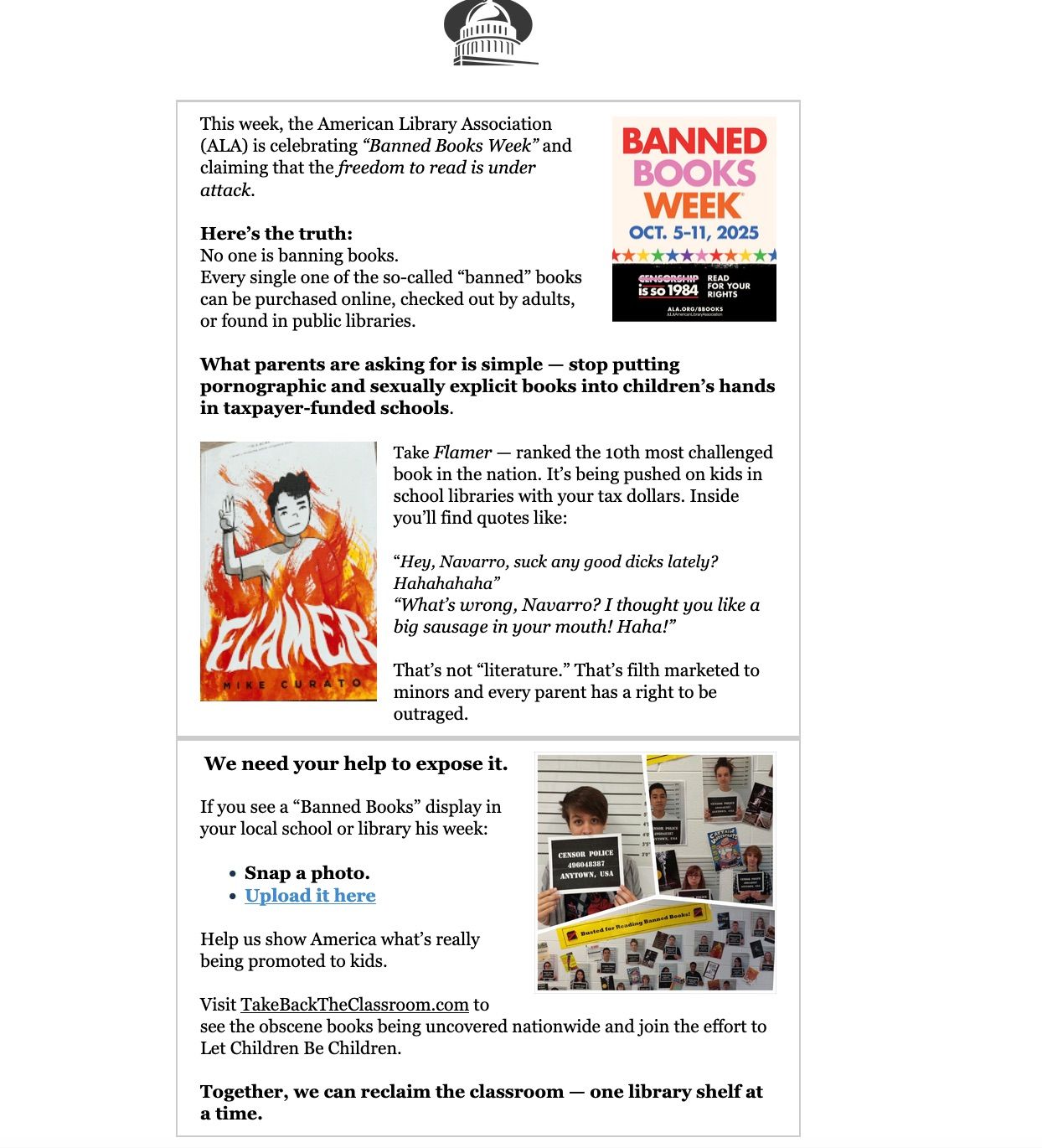
TBTC hasn’t stuck to indexing the books they deem inappropriate. They’ve been encouraging “engagement” related to books and public school libraries in other ways as well. They asked folks to track Banned Book Displays nationwide so they could share them and call attention to the “lies” related to the very activities they’re engaged in: removing books from libraries. At least one conservative group publicly encouraged their followers to seek out library book displays and report them to TBTC. Right now, they’re asking for stories from “average” parents about where and how they’ve challenged books and what the outcomes have been.
 |
Another TBTC activity? Attempting to color school calendars as some kind of secret means of “indoctrinating” students. No, really.
With the closure of BookLooks, the fundraising, and the attempts to capture as many right-wing pet obsessions beneath one umbrella, it’s no surprise that TBTC is growing. It’s also growing because those engaged with this particular project are getting the word out as much as they can. Last week, for example, a lengthy opinion published in The Nevada Globe–a “non-partisan,” pro-business growth news outlet–went to great lengths to extol the virtues of TBTC and the evils of public education. But before that, Take Back The Classroom got airtime in the Connecticut legislature, when an opponent to the state’s anti-book ban bill read decontextualized excerpts from books pulled directly from that website.
Take Back The Classroom reviews are popping up at school board meetings now, as parents looking for the next books to sexualize are finding them with much more ease. They’ve got a handy link on RatedBooks’s website, as they’re part of the “pipeline” used by RatedBooks to source books that they should target next. Lori the Librarian–a piece of book banner propaganda–calls TBTC one of their tools to “defeat the groomer gang.”
The site’s profile continues to grow, too, thanks to England’s own book banning work. She spoke at the Nevada legislature this year against their proposed anti-book ban bill (note the bias in this story), and she’s been among those pushing to see Huntington Beach Public Library (CA) continue to ban books that are age-appropriate from young people. England was a loud voice for book banning in Chino Valley Unified School District (CA).
England is not a California resident, nor is she a Nevada resident. As of late 2024, she lived in Tennessee.
Just a few weeks ago, Sarah Lamden and Eric Stroshane of the American Library Association’s Office for Intellectual Freedom also highlighted the ins and outs of TBTC in this excellent piece. Among their notes and as further explanation for the continued growth of TBTC and England’s presence in anti-public goods debates:
She is not a professional educator. She is not a librarian. She is not an expert in literacy or administration. She is not a lawyer. She is not even personally acquainted with the educational outcomes of public schools, as she homeschooled her children.
England is, however, a member and former board member of the Council for National Policy (CNP). Anne Nelson, in her book-length exposé Shadow Network, explains how a key goal of CNP is to undermine libraries and schools. In other words, England is a political operative who held a leadership role in a group actively working to damage public education. England travels around the country, going to school board meetings and making public comments laced with discredited research, false legal claims, and cherry-picked book excerpts.
England also founded the Nevada Family Alliance. As its executive director, she argued elementary school teachers should wear body cameras to ensure they don’t teach students about race or racism.
You can read more about Karen England in this profile from KUNR and you can find additional details about her discriminatory anti-LGBTQ activism on GLAAD’s website.
We also cannot overlook that the site is slick and far more professional looking than competitors. Money makes things happen. But if what has been said time and time again is true, Take Back The Classroom may not actually have the kind of capital they want in order to continue expanding further.
This is far from a comprehensive look at TBTC. It is instead intended to point out why we’ve seen a rise in its profile and where and how it operates. Understanding the site and how they develop their talking points–as well as their approach of highlight school themselves as the problem–is helpful in pushing back against talking points related to banning books in public schools when it comes up.
The fight to protect public schools and public libraries is far from over, and this is yet another reminder that no amount of telling people to “buy the banned books” is going to solve the issue. That rhetoric plays exactly into the goals of the book banning and public institution dismantling movement. What we need are people stepping up, pushing back, and doing everything within their power to protect public goods. Understanding the tools of those going hard again these community organizations is one way to be empowered and prepared.
And if it were ever a question what it is that book banners are doing, perhaps the most recent newsletter from England’s campaign, dated November 12, is answer enough:
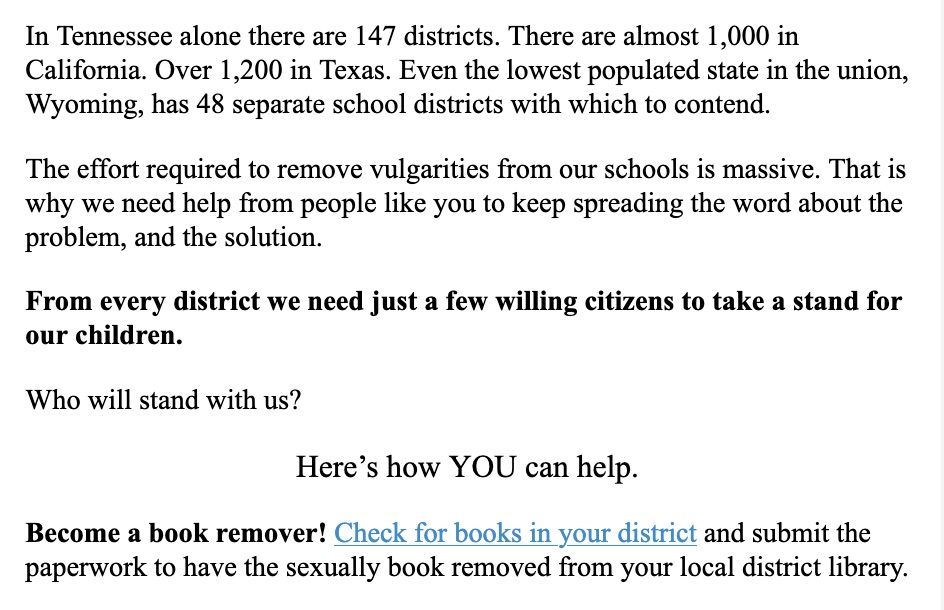 |
They’re a cult that’s removing books.
Note: this roundup covers Friday, November 7 through Wednesday, November 12. News from the rest of this week will be in next week’s roundup.
Once you’ve read your way through these links, check out some books about the history of public libraries and explore where and how to cultivate a love for reading and books if you’re neurodivergent (helpful for librarians and the patrons you’re serving!).
]]>If you’re looking for a place to start, here are a few titles from the last couple of years to get you going.
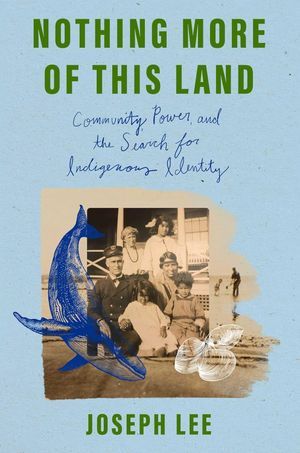 Nothing More of This Land: Community, Power, and the Search for Indigenous Identity by Joseph LeeWe all live on Native land, even on Martha’s Vineyard. Aquinnah Wampanoag journalist Joseph Lee has had to watch as his people increasingly struggle to afford living in their ancestral homeland. In Nothing More of This Land, Lee parallels his people’s experience with discussions about what it means to be Indigenous for Native Peoples in the 21st century. |
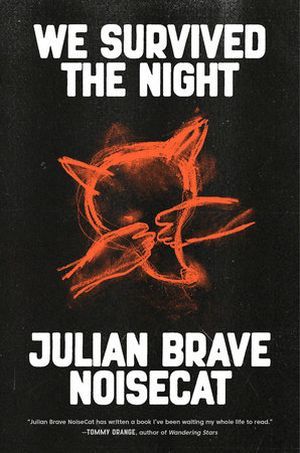 We Survived the Night by Julian Brave NoiseCatJulian Brave NoiseCat grew up with a Secwépemc and St’at’imc father and a non-Native mother. But when his father disappeared, NoiseCat threw himself into studying Native history. In We Survived the Night, NoiseCat presents the history of First Peoples across the centuries as they face ongoing colonization and press forward toward a better future. |
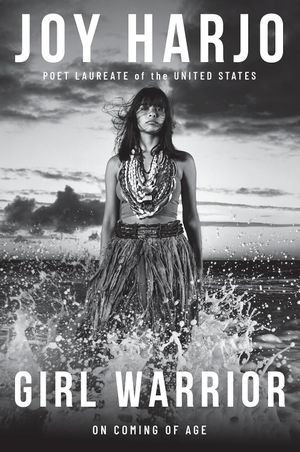 Girl Warrior: On Coming of Age by Joy HarjoIn Girl Warrior, former U.S. Poet Laureate Joy Harjo speaks directly to Native girls as they come of age. She encourages them to use artistic expression as a way to heal from the difficult things they experience in their lives. She emphasizes that art is a tool for encouraging empathy and self-expression. |
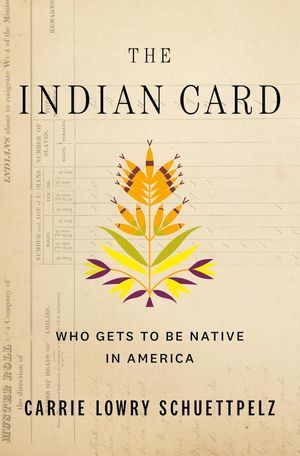 The Indian Card: Who Gets to Be Native in America by Carrie Lowry SchuettpelzCarrie Lowry Schuettpelz, an enrolled member of the Lumbee Tribe of North Carolina, examines ideas around being Native “enough,” Native sovereignty, and the politics of tribal enrollment. Schuettpelz gets to the heart of Indigenous peoples’ need for belonging in a society ruled by ongoing colonial violence. |
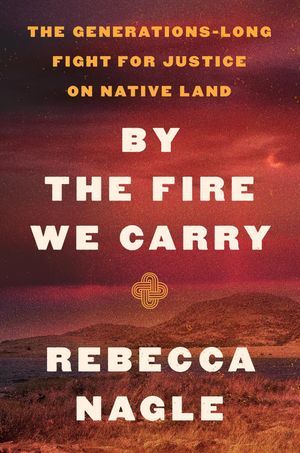 By the Fire We Carry: The Generations-Long Fight for Justice on Native Land by Rebecca NagleIn By the Fire We Carry, Cherokee writer Rebecca Nagle delves into the history of a Muscogee reservation in Oklahoma that the American government decided no longer existed. The results of the Supreme Court decision had a significant impact on the Muscogee and other Native American nations. |
You can find me over on my substack Winchester Ave or over on Instagram @kdwinchester. As always, feel free to drop me a line at kendra.d.winchester@gmail.com. For even MORE bookish content, you can find my articles over on Book Riot.
]]>